The Mid-South is facing a serious winter weather event this weekend—bringing heavy snow, prolonged freezing temperatures, and ice accumulation that most Memphis homes are simply not designed for.
At ContractingPRO, we’ve seen how storms like this play out. When snow starts melting and refreezing, the damage often begins long before homeowners ever see a leak.
One of the most overlooked—and most vulnerable—areas? Dead valleys on your roof.
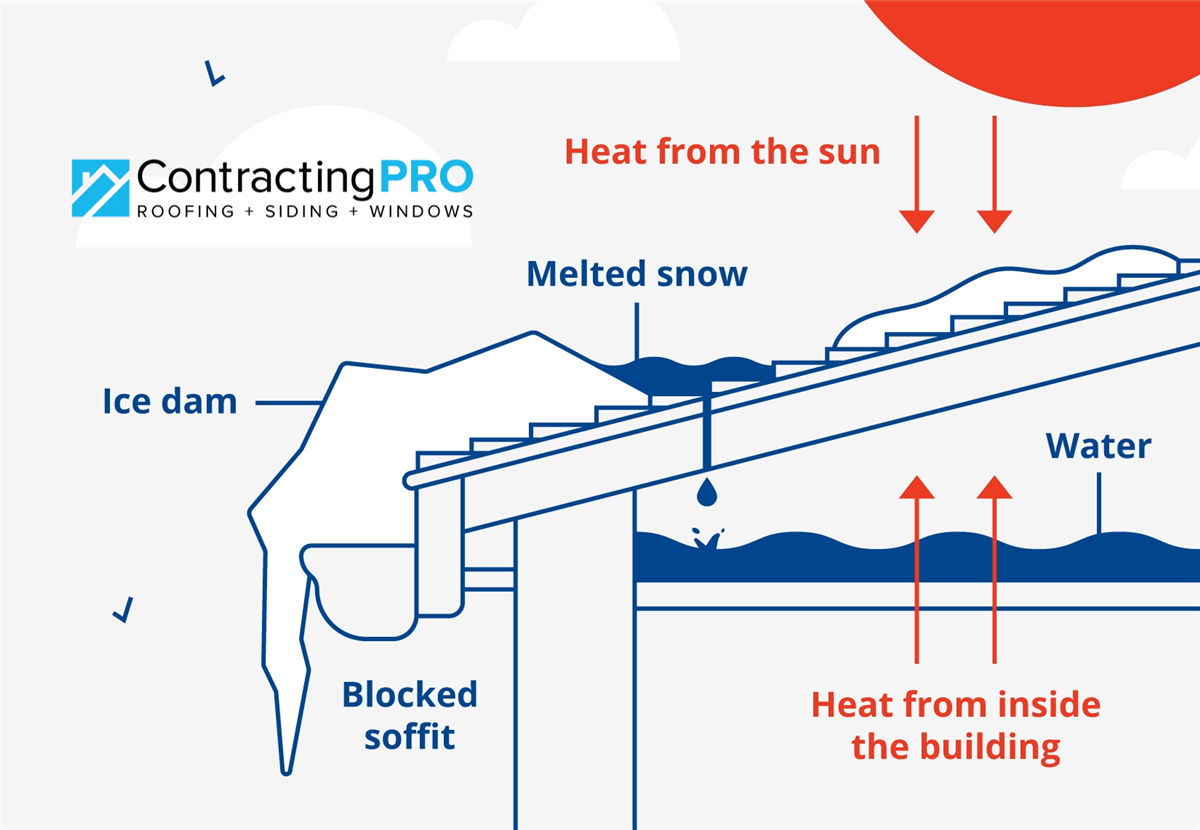
What Is an Ice Dam—and Why Are They So Destructive?
An ice dam forms when:
Snow melts on warmer sections of the roof
Water runs toward colder areas near the edges and valleys
That water refreezes and builds layers of ice
Meltwater backs up underneath roofing materials
When water is trapped with nowhere to go, it will find its way inside—damaging decking, insulation, ceilings, and walls.
Why Ice Dams Hit Memphis Homes Harder
Ice dams are common up north—but in the Mid-South, they often cause faster and more severe damage because:
Homes aren’t built for extended freezes
Attics often lack proper insulation and ventilation
Roof systems weren’t designed with ice-specific materials
Snow melts during the day and refreezes aggressively overnight
That last point creates the perfect conditions for ice dams to form in roof valleys.
The Hidden Danger: Dead Valleys on Your Roof
A dead valley is an area of the roof where two slopes meet but do not allow water to drain quickly—often funneling snow melt into a tight space.
Here’s the problem we see on most Mid-South homes:
👉 Dead valleys are usually shingled, just like the rest of the roof.
While shingles are fine for rain, they are not designed for standing water, slow drainage, or ice buildup.
What Happens During Snow & Ice?
Snow collects heavily in valleys
Meltwater slows or stops
Ice forms and expands
Water pushes backward and sideways—right under the shingles
This is one of the most common places we see leaks during ice events.
What ContractingPRO Does Differently in Dead Valleys
On vulnerable dead valley sections, we don’t rely on standard shingles alone.
Instead, ContractingPRO installs:
Base and cap (rolled roofing) in dead valleys
A fully sealed membrane designed to handle:
Standing water
Slow drainage
Ice dams and freeze-thaw cycles
Think of it as adding a waterproof channel where shingles are most likely to fail.
Most homes simply don’t have the right material in these areas—because they weren’t required when the home was built.
Signs Your Dead Valleys May Be At Risk
Watch for:
Heavy ice or snow buildup in roof valleys
Leaks that appear after snow starts melting—not raining
Water stains near interior roof angles
Damage that seems to come “out of nowhere”
If your home has valleys that trap snow, the risk is very real this weekend.
What NOT to Do If You Notice Ice or Leaks
Please avoid:
❌ Climbing on icy roofs
❌ Chipping ice in valleys
❌ Pouring hot water on roofing materials
❌ Assuming gutters alone will fix the issue
These actions often cause more damage—or personal injury.
How ContractingPRO Helps Protect Your Home
Our Peace of Mind Inspections are designed to catch problems before they turn into emergencies.
We inspect:
Roof valleys and dead valley construction
Shingle and underlayment condition
Ice-dam-prone areas
Attic insulation and ventilation
Early signs of moisture intrusion
If damage has already occurred, we also help homeowners properly document issues for insurance so nothing is overlooked.
A Local Word From Our Team
We live and work right here in the Mid-South.
We know this weather isn’t normal—and we know what it can do to homes that weren’t built for it.
If you have questions, see ice building up in valleys, or simply want peace of mind before temperatures rise—now is the time to check it.
Schedule a FREE Peace of Mind Inspection
Ice dam damage doesn’t always show up immediately—but it gets worse every day it’s ignored.
📍 Serving Memphis and the Mid-South
🏠 Roofing • Repairs • Ice Dam & Valley Protection
📞 Schedule your FREE Peace of Mind Inspection today
ContractingPRO
Subscribe to ContractingPRO's Blog






Comments